Can a 5-in-1 Carbide Bit Replace Multiple Bits?
A seasoned salon owner breaks down common myths about the 5-in-1 carbide bit and what mobile nail techs actually need to know.
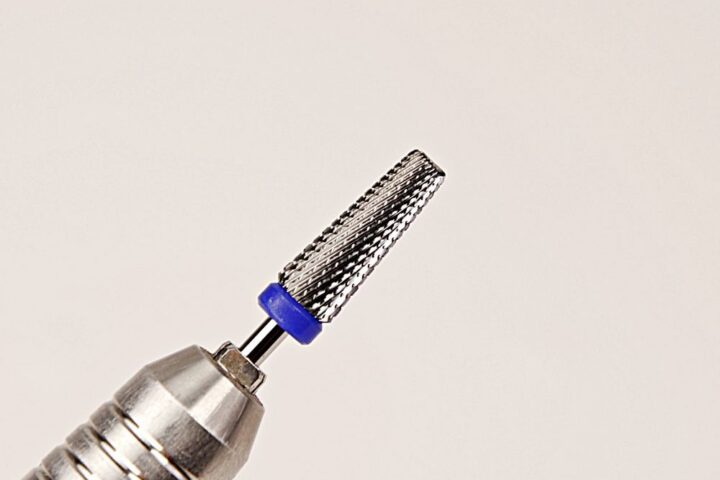
Mobile nail techs juggling a compact kit need tools that work hard and stay safe in tight spaces. This piece separates hype from fact about the 5-in-1 carbide bit commonly used for product shaping and cuticle sealing. Readers will learn which claims hold up, which are misunderstandings, and how to use the tool properly in a mobile setup.
1. Myth: One Bit Does Everything Equally Well
Fact: The 5-in-1 concept means versatility, not identical performance across every task. The tapered barrel with three distinct thin-grit levels is designed to let a tech move from smoothing to precise sealing without swapping bits. In practice, it excels at gentle product blending, thin gel removal, and finishing work. For heavy bulk reduction of thick acrylic you still might prefer a coarser, bulk removal bit designed specifically for that purpose. But for compact kits where blending and cuticle proximity work are frequent, this bit reduces changes and saves time.
2. Myth: Safety Tops Are Just Marketing
Fact: This particular tool features a smooth, rounded safety top with no cutting edge. That safety architecture is intended to protect the eponychium and lateral folds when working close to skin. When a mobile tech uses the tapered upper edge at the recommended lower speeds (10,000–15,000 RPM) and gentle pressure, the rounded top allows confident sealing of product at the cuticle line with reduced risk of scraping or nicking. Still, safe technique and controlled speed settings remain essential; a safety top reduces risk but does not remove the need for care.
3. Myth: Carbide Bits Always Overheat and Create Excess Dust
Fact: Materials and manufacturing matter. This bit is made from premium YG6X tungsten carbide engineered for low vibration and reduced heat buildup. The fine cross-cut fluting also produces a smoother, lighter touch and tends to generate less aggressive dust compared with coarse cuts. That said, sensible airflow and protective cases are still part of a mobile tech’s hygiene routine: use a dust extractor when possible, work in short bursts, and store the bit in its dustproof protective case between clients.
4. Myth: Directional Rotation Restrictions Make Bits Handed
Fact: Not this one. Symmetrical cross-cuts mean true two-way rotation—useable in both clockwise and counter-clockwise directions—so right-handed, left-handed, and ambidextrous techs can work comfortably without compromising cutting geometry. This is especially useful in cramped mobile setups where changing hand position frequently is common.
5. Myth: Thin Grit Means Fragile
Fact: The thin (fine) cross-cut surface gives a gentler finish than coarser grits while still being durable. The tungsten carbide construction and controlled variance in vibration mean the bit holds up under regular salon use. Durability helps mobile pros limit inventory changes and carry fewer backup bits for everyday finishing and sealing tasks.
Quick specs
- Material: Premium Tungsten Carbide (YG6X)
- Grit: Thin / Fine cross-cut
- Shank: Universal 3/32″ (2.35 mm)
- Rotation: Two-way (clockwise & counter-clockwise)
- Design: Tapered barrel with smooth safety top (no flat edge)
- Price: $11 (price may change)
6. Myth: Visual Finish Is All About the Bit Color or Look
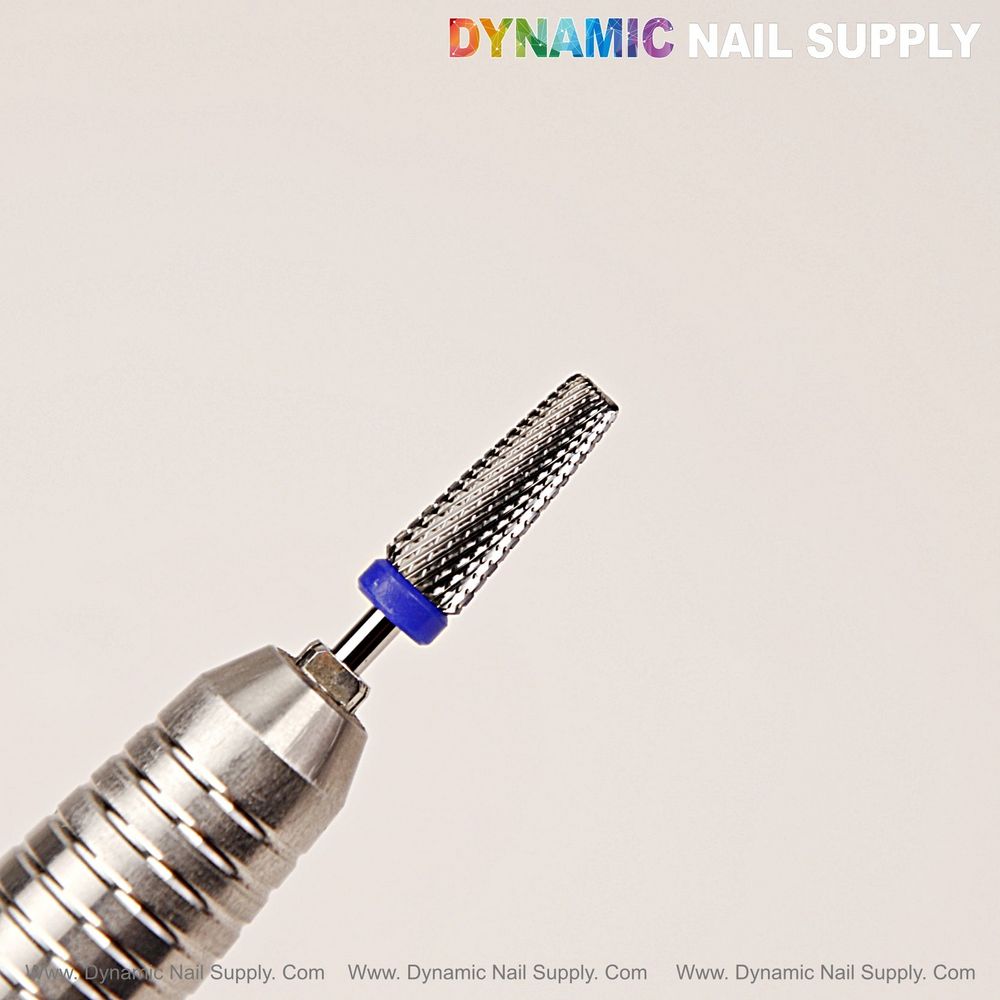
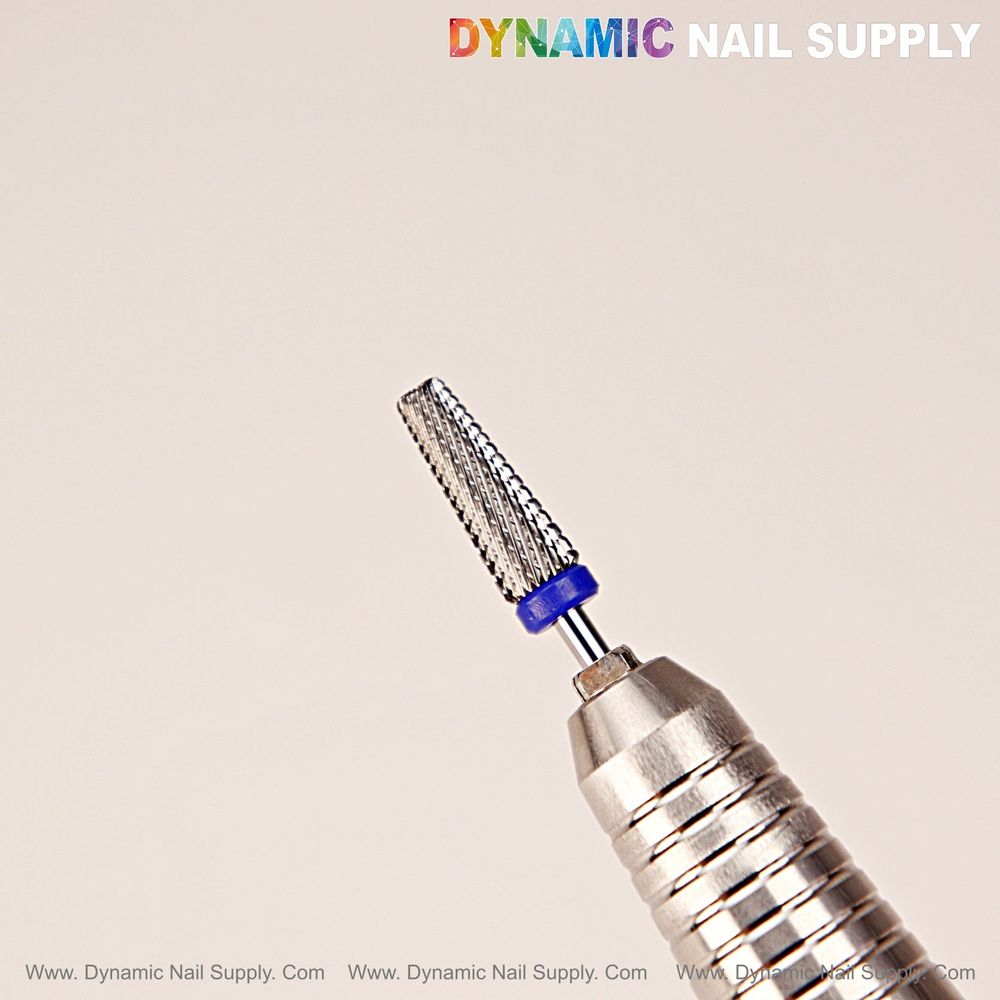
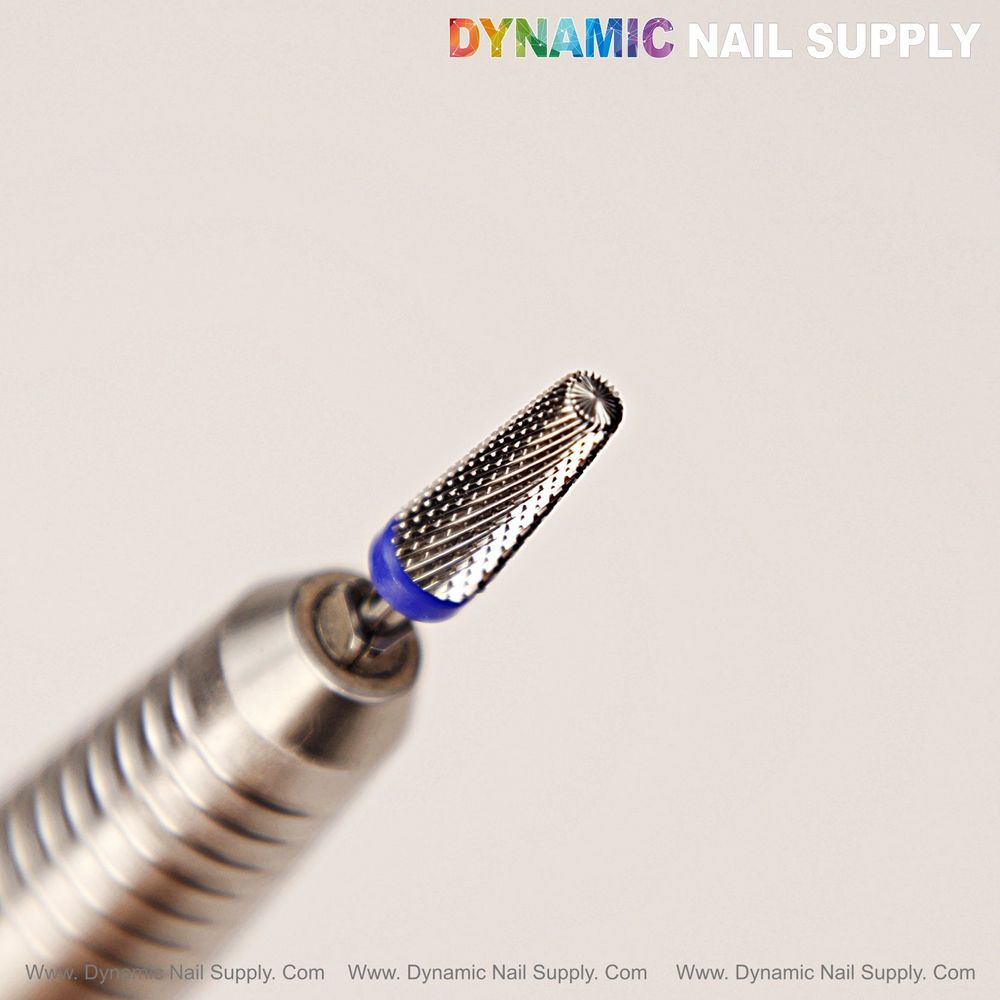
Fact: The chrome-like metallic finish and fine fluting shown in product photos signal machining quality, but final results depend on technique and speed. The bit’s reflective finish and visible cross-cut texture, plus the cobalt-blue ring size indicator, make it easy to identify in a small kit—useful when working on location. The look complements precision work, but the outcome comes from correct barrel section use: lower barrel for bulk smoothing, mid-barrel for blending, and the tapered top for cuticle sealing.
7. Myth: This Bit Replaces All Safety Practices
Fact: The safety top reduces cutting risk, but it’s not a substitute for proper client prep, lower speeds when working near skin, and routine bit maintenance. Insert and lock the 3/32″ shank securely, set rotation appropriate to the dominant hand, and keep motions light. Clean and store the bit in its protective case between clients to preserve performance and hygiene.
For a busy mobile tech who prioritizes compact efficiency, the 5-in-1 Safety Medium Thin Drill Bit offers a real balance of finishing finesse and protection—use the tapered sections as intended and stick to recommended RPM ranges to get the best results. If the tech wants to integrate this tool into service flow, consider starting by using the mid-barrel for surface blending, then finishing the cuticle edge at slower speeds with the safety top for flawless sealing and less bit swapping.
Next step: add the 5-in-1 Safety Drill Bit to the on-the-go kit and practice the three-barrel workflow on practice tips until transitions feel smooth, then introduce it into client services and monitor speed and pressure carefully.
For mobile setups, keeping the 5-in-1 Safety Drill Bit handy reduces bit swaps and speeds up sealing work while maintaining safety, so consider adding it to your kit: 5-in-1 Safety Drill Bit